The externalities everyone lists
A data centre’s reputation precedes it: it consumes large amounts of electricity and water, it throws off heat, and it makes noise. Those are the reasons communities resist them, and the reasons they are usually pushed to the edge of town behind a fence.
Read the same list differently and each item is a resource in the wrong place.
Turning the list into a system
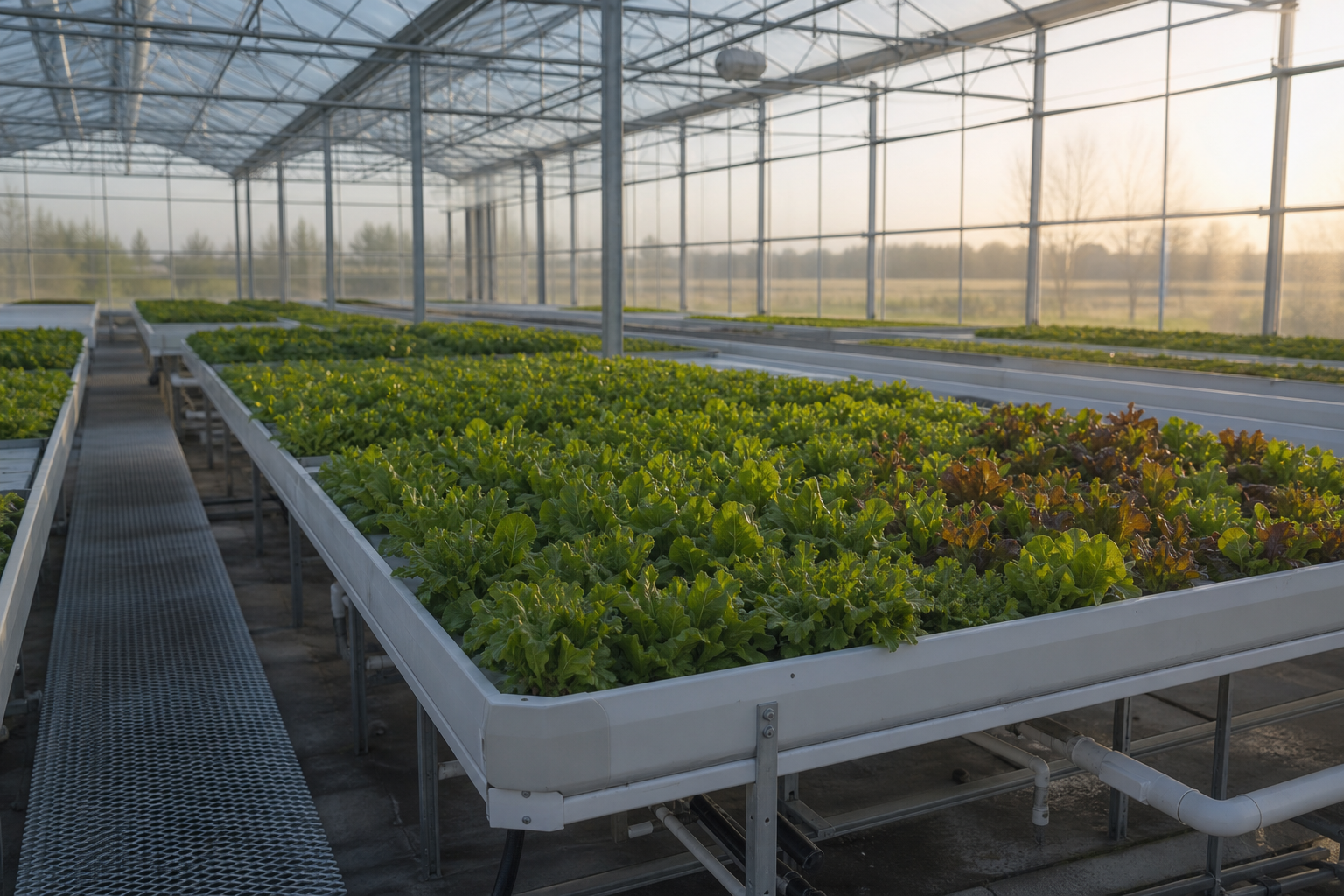
- Waste heat becomes growing heat. Servers reject heat continuously. Route it into greenhouses above or beside the facility and it warms controlled-environment agriculture year-round, displacing the energy those greenhouses would otherwise burn.
- Cooling water becomes irrigation. Water used to cool the facility is not drinking water, but it is perfectly good for irrigating crops. The loop closes instead of draining.
- The ground becomes the cooling system. Site the data rooms into the earth and ground contact cools them, cutting the energy the facility spends fighting its own heat. Housing or a community greenhouse sits above.
- Green belts absorb the noise. Ring the facility with forest, wetland, or planting and the sound is buffered while biodiversity returns to the site.
What was a liability list becomes a compost pile: something that looks like waste, arranged so it produces.
Fairness is the design constraint
The pattern only earns its place if the community that bears the costs gets first claim on the benefits. The neighbourhood that hosts the facility should have priority access to the fresh food it helps grow, the clean power it helps generate, and the local compute it helps run. That is not a courtesy added at the end; it is the condition that makes hosting the facility worth it.
Placed on spent monoculture farmland, the whole arrangement does one more thing: it reclaims depleted ground and builds a regenerative community around it, with energy, food, and compute reinforcing one another.