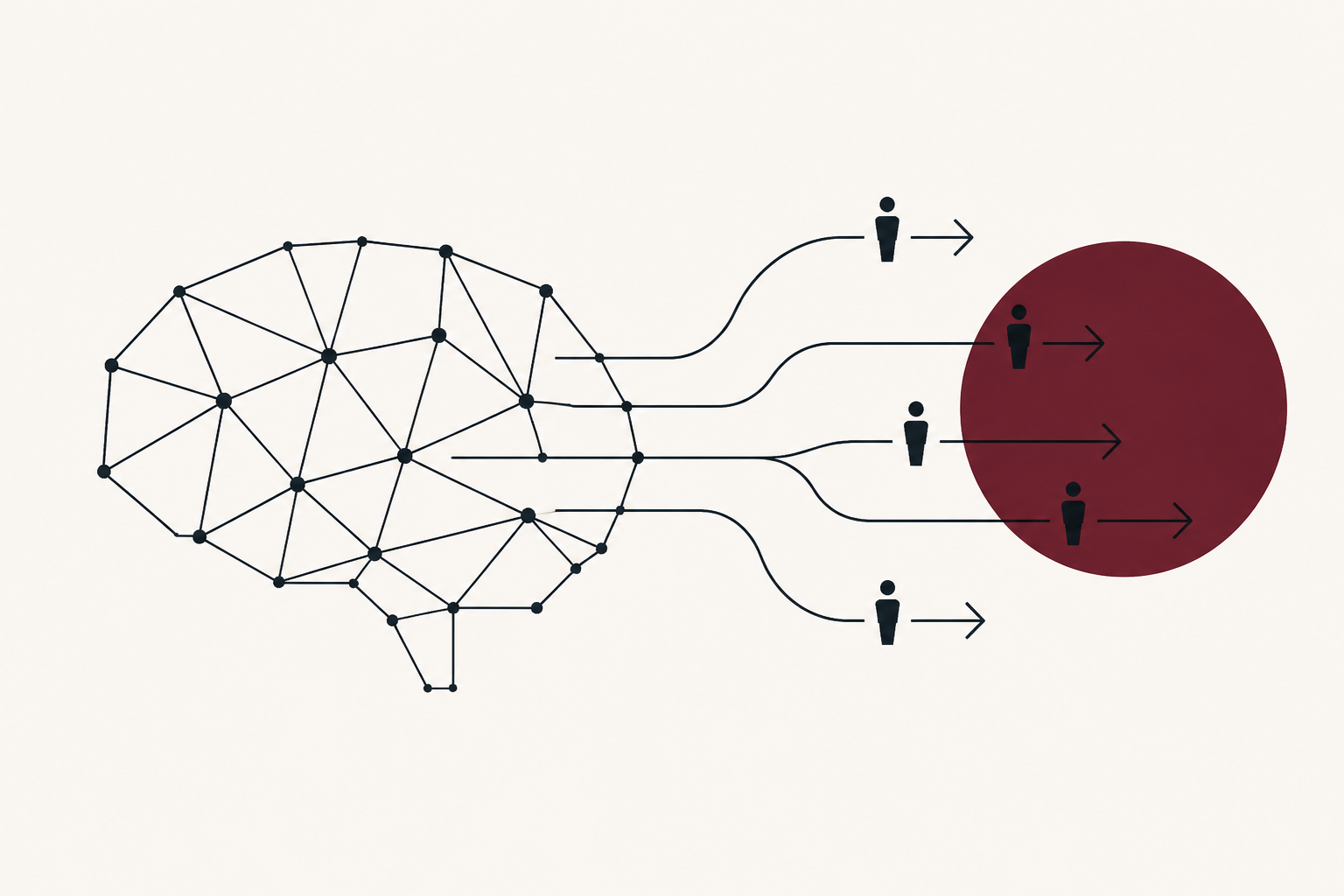
Traditional venture capital runs on a seven-to-ten-year fund life and an exit thesis: invest early, grow fast, sell, return capital. It optimises for velocity of return at the expense of long-term value. Companies are grown to be sold, not sustained.
Long-Term Strategic Venture Capital is the alternative that underwrites the district’s Long-Term Fund. Patient capital is deployed against a strategic thesis; complementary and keystone companies are acquired constellation-style; and they are stewarded by owner-operators over indefinite hold periods. Portfolio companies are treated as permanent assets that compound through operational integration, not temporary positions awaiting a liquidity event.
For a coalition building a common future, this is the mechanism that makes shared returns possible: gather the ventures aligned to one future into a single fund, retool the keystone companies, and let scale and coordination produce returns no member could reach alone.
The full definition lives on the canonical entry at findcongwang.com.